
~Artdom
An Affordable Way To Start Collecting Fine Art.
If you're always wanted to start collecting art on a small, affordable scale, which goes far beyond framed posters, but you don't know the difference between a Color Wheel and a Ferris wheel, I may be able to offer you some useful advice on how to begin.
First, you need to go online and call up half.com- Type in Preble's ARTFORMS
(8th. edition.) Higher edition numbers (updated versions), are more expensive.
Shipping will be about $3. Prices for the paperback range from 87¢ at half.com
to: abebooks.com ($4.49 + free shipping.) $1.39 + S/H at biblio.com and $1.99+
$4 shipping at Amazon. The ISBN number is unimportant but you want 7th edition
or higher. ARTFORMS (7th. edition), is the text I used for teaching a three-unit
Art Appreciation class. The text is designed for the non-art major, and it pretty much
covers the waterfront' as far as describing all the various media that artists use.
Also, the book's illustrations and diagrams are easy to relate to, and there's a glossary
in the back. Any edition, (#6 and beyond), will work fine as a reference book for you to begin your art collecting venture.
Once you get the textbook, go to the chapter titled: PRINTMAKING. Collecting prints is a reasonably inexpensive way to start your collection, because you can store 100 or more prints and/or photographs in one archival, (museum approved), portfolio box that measures 9" x 12" x 2". Information on protecting each boxed print, is available on artelino.com or archivalmethods.com, or any photography store clerk. On your browser, if you type in "Artist prints for sale", you'll see that the subject matter found in intmaking is as vast in range as anyone can imagine, and like paint, there are no limitations as to the colors of inks available for today's printmaker.
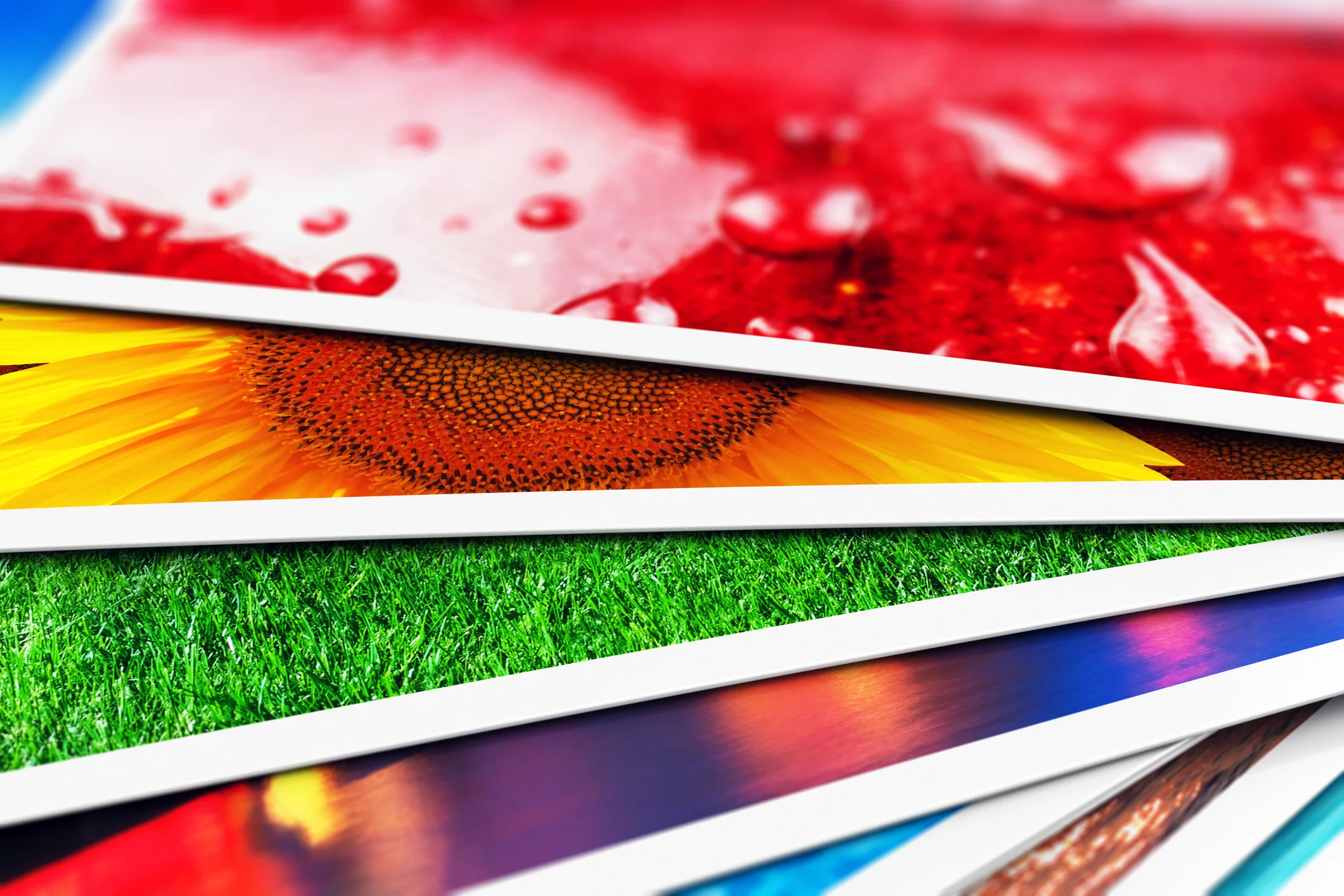
As you research printmaking, you'll discover that many successful art dealers started out by showing works on their living room walls; a trend that is presently having a resurgence throughout London.
When you get around to actually buying your first print, check out local artists first, as it can be a rewarding experience to follow an artist's career by collecting works by someone you know. Also visit thrift shops- (I once found a Rembrandt etching,
"Self Portrait-Leaning On A Stone Sill", in a Reno second-hand store, but it sold before I could return to buy it.) Rembrandt didn't number any of his prints.
As you become more engaged in collecting prints, you'll want to research things; such as whether or not the print you're interested in buying is an A/P (Artist's Proof), which all subsequent prints are expected to duplicate exactly, and the numbering system, such as 37/100...(the 37th. print pulled from an edition of 100 prints). You'll also come across the inexplicable reason why some collectors will prefer to own a print numbered 25/100, rather than 37/100 of the edition; even though the images are exactly the same as the A/P (Master image).
But best of all, you'll get to use the pick-up line: "Want to come up and see my etchings?"
Next up in Q
what makes an art object offensive?

james l. weaver
Q World Magazine contributor
fine art-bfa and mfa